
“STOLI” & THE OLD WASHOUSE (“LISIERA”)
Uphill again! Had I not said that it was all downhill before? Go past the “third tunnel”, go in and have a look if you like: it is safe, illuminated and was built in 1950.
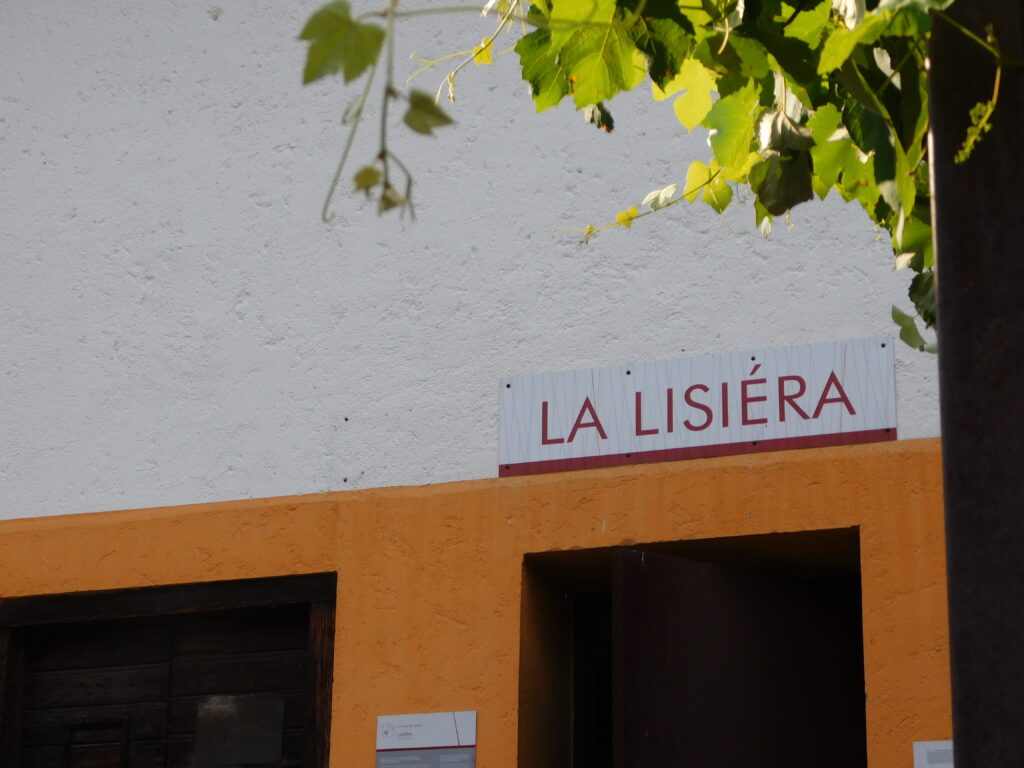
The so called “stoli” of Mezzano (from the German word “Stollen”, i.e. tunnel, narrow tunnel, mine shaft) are narrow underground tunnels, and were built to bring water from the springs around Mezzano to the village’s fountains, drinking troughs and the first waterworks of the time. There’s another two of these, perfectly preservated, and located further on the way. Now, though, let’s continue our trip uphill. Just a few more steps and on your right you’ll see a yellow and white building harboring the so called “lisièra” or “lisciaia”. This is the only building in Mezzano protected by the Superintendence for Cultural Heritage of the Autonomous Province of Trento. Not many washhouses exist that are so well conserved.
This particular washhouse is a communal space for washing laundry with beech ash, which is called “liscia” in the local dialect. There were two in the village, one in the higher part and one in the lower. They are different from the open washhouses where washing was done daily, here you can see fireplaces where water was boiled in large pots. This type of wash was carried out twice a year, over one week in spring and one week in autumn. During the other months of the year the pile of laundry accumulated, destined to be washed all together at these times. It was a space exclusively for female work. The women agreed on a schedule and then organised themselves. Once the washing week started the washhouse remained open day and night. The hard work was animated by songs, chatter, gossip and even quarrels. For the women it was the only time of the year when they were allowed out of the home at night-time and casually meet up with the other women in the village. After the laundry had been soaking a while in big wooden tubs filled with water that had been boiled with ashes, then filtered, it was then rinsed. The rinsing process was the source of the most heated arguments, because the position along the rinsing trough was determined by the social equilibrium of those times, as well as the type of laundry to be washed: where the water came out of its source it was of course clearer, this position was reserved for the more elderly or those more well off women, it then went down according to age and origins.
The ashy water that remained after the wash, “liscivàz” in the local dialect, was often enriched with aromatic herbs, taken home and used to wash everything, from balconies to flooring and the stairway down to the street. The snow-white perfumed sheets were hung out on any suitable place around the village. Our more elderly villagers can still remember the scent of cleanliness that permeated the village over that period.
Now, follow the red signal and be careful on the steps, we are going in the direction of that tunnel on your right. If you don’t feel like going down them, reverse turn and come back along the road just below.
“Stoli” & the old washouse (“lisiera”)
Uphill again! Had I not said that it was all downhill…
The house with the blue shutters and kitchen gardens
The Bond house has blue shutters which…